Does the score match your eye?
Our Estimated Preference Score puts a single aesthetic number on every image. It's a faithful summary of the HPSv3 preference model — but a summary of a crowd's average taste is not the same as what you see. So before you trust the number, test it against your own eyes.
Take the blind test
Below are pairs of images generated from the same prompt by two different models, drawn as a fair random sample across five categories. Model names and scores are hidden. Just pick the one you prefer — then we reveal which one the metric scored higher, and keep a running tally of how often you two agree.
Prompt: An astronaut in a spacesuit riding a bicycle through a park
Click the image you prefer.
Why you and the metric drift apart
This isn't the metric being “wrong.” HPSv3 is trained on HPDv3, a large dataset of aggregate human preference — the averaged verdict of many raters. The EPS number faithfully reflects that average (we validated it matches the underlying pairwise preferences on 97.8% of model pairs). But an average is a blunt instrument for a single decision: on any one pair, the “better” image is a matter of taste, genre, and what you happen to be looking for. The score is a useful prior — not a verdict.
It also depends on what you're making
The single number hides another thing: aesthetic strength is category-specific. Scored per category, the median model swings about nine rank positions depending on the category. qwen-image is #1 for spatial-reasoning scenes and #1 for graphic design, but #11 for human realism. seedream-v4 is top-five on people and scenes yet drops to #22 on studio shots. The best model for your use case is often not the one on top of the overall list.
Where the metric is most confident
These are hand-picked pairs with the largest score gaps — the cases where the metric is most sure. The image the metric scored far higher is marked. Do you agree every time?
 metric's pick
flux-2-klein-9b · mu 13.0

krea-2-raw · mu 1.5
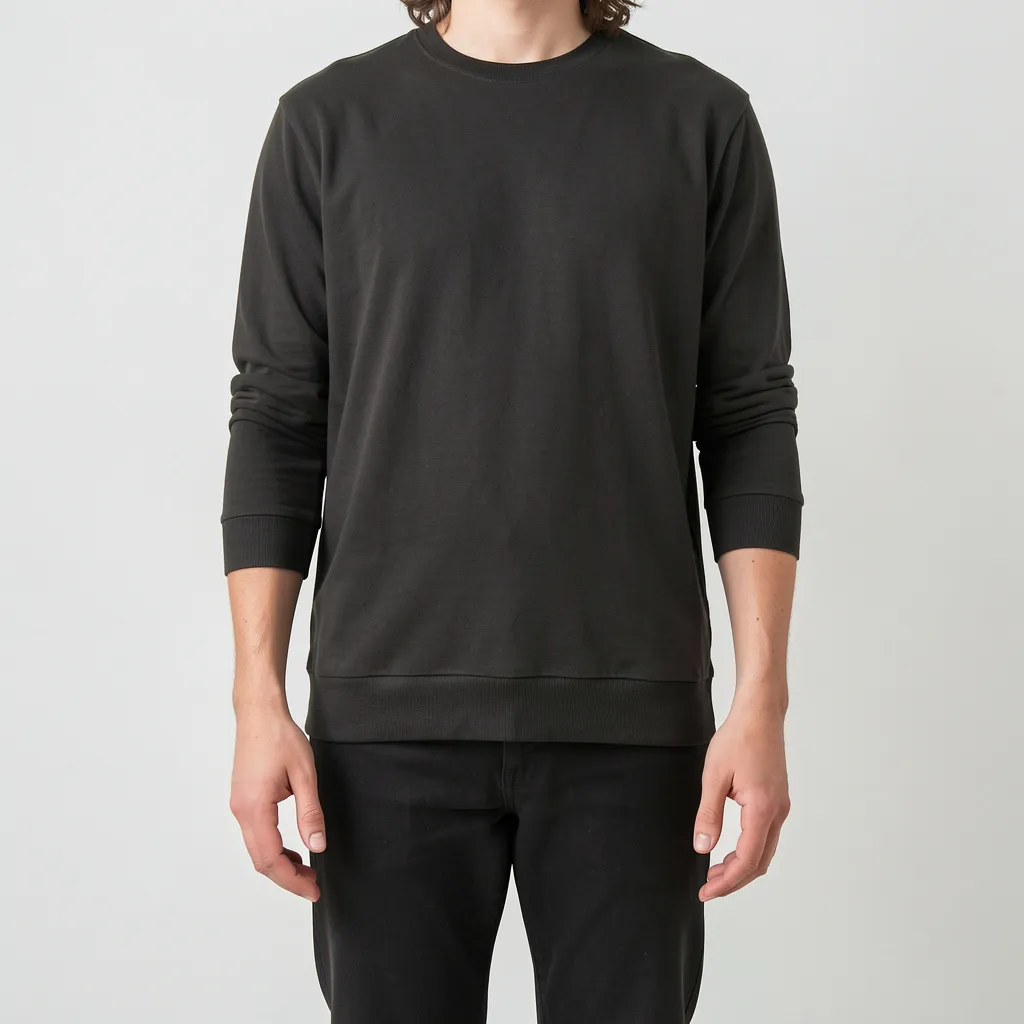 metric's pick
flux-2-klein-9b · mu 8.7
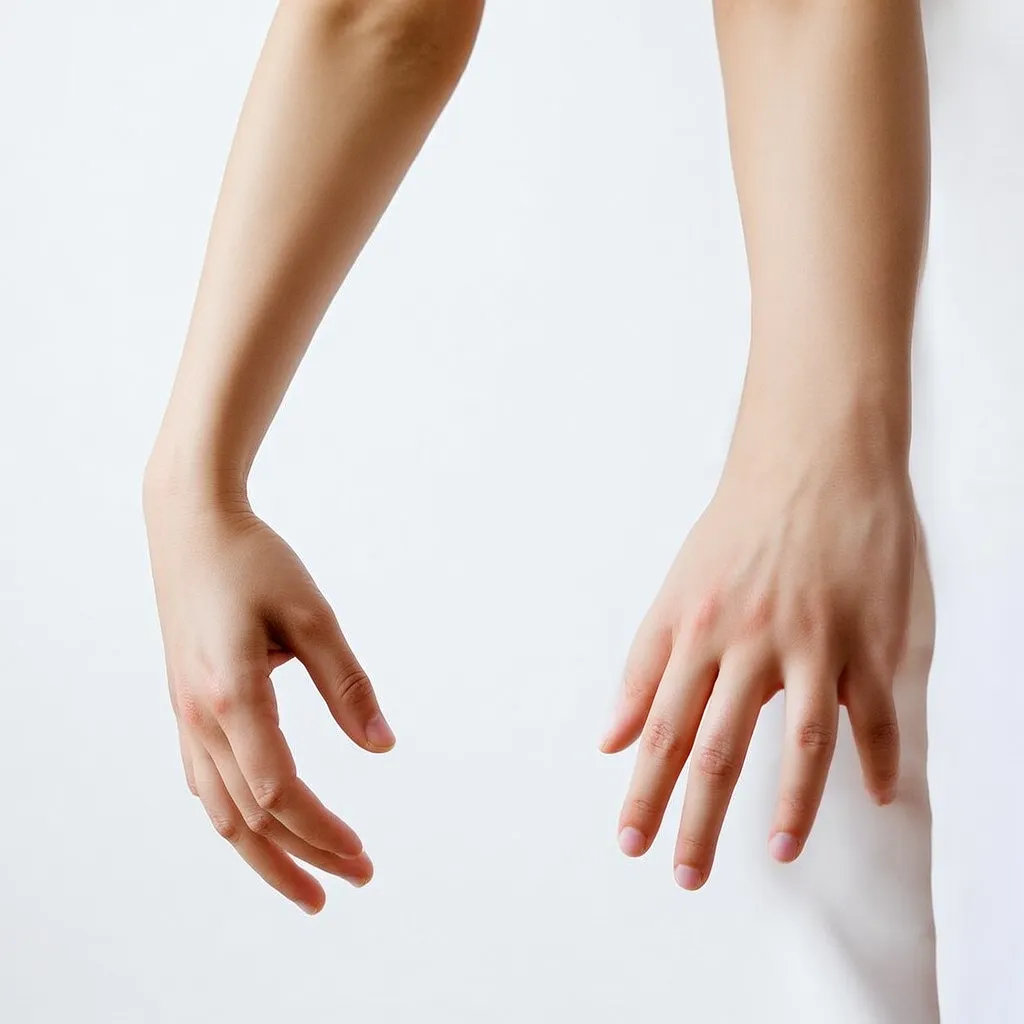
bria fast · mu 0.3
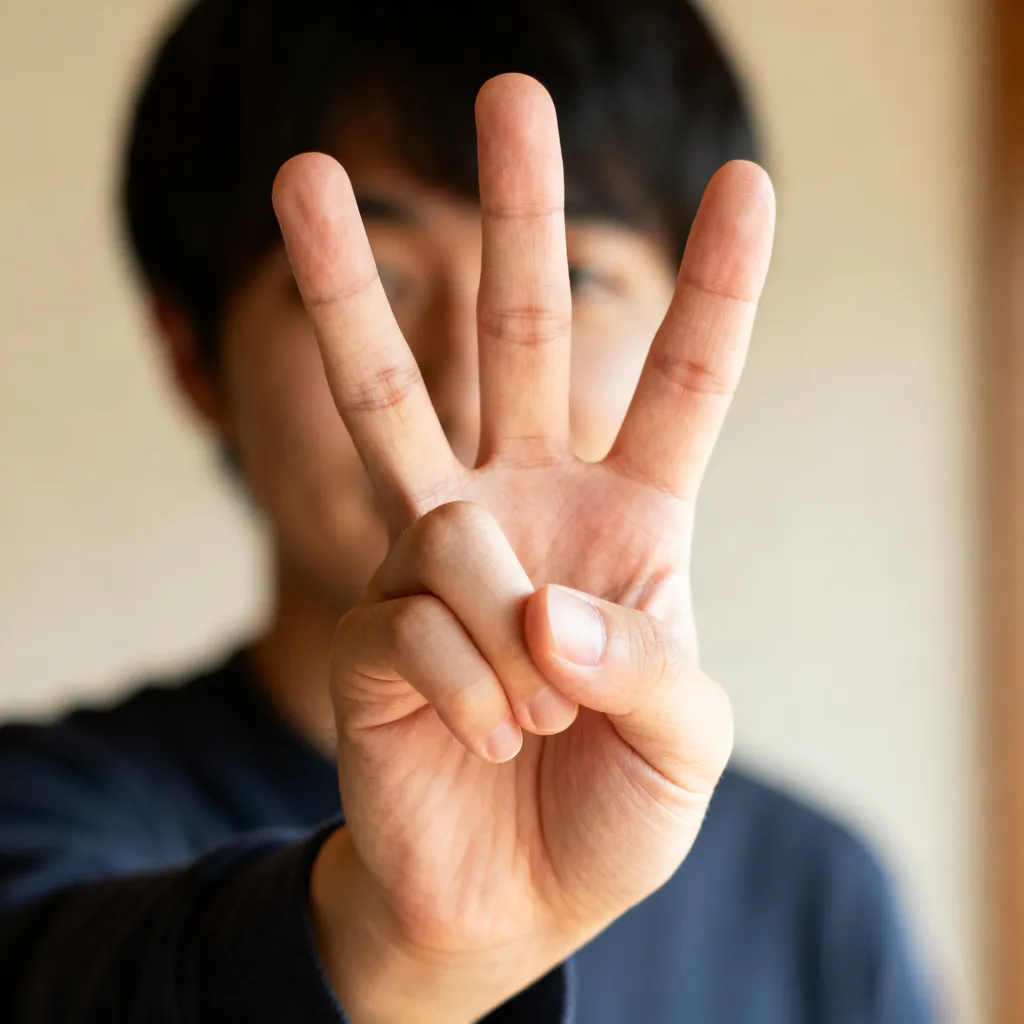 metric's pick
bytedance seedream-v4 · mu 9.4

hidream-i1-full-17b · mu 1.9
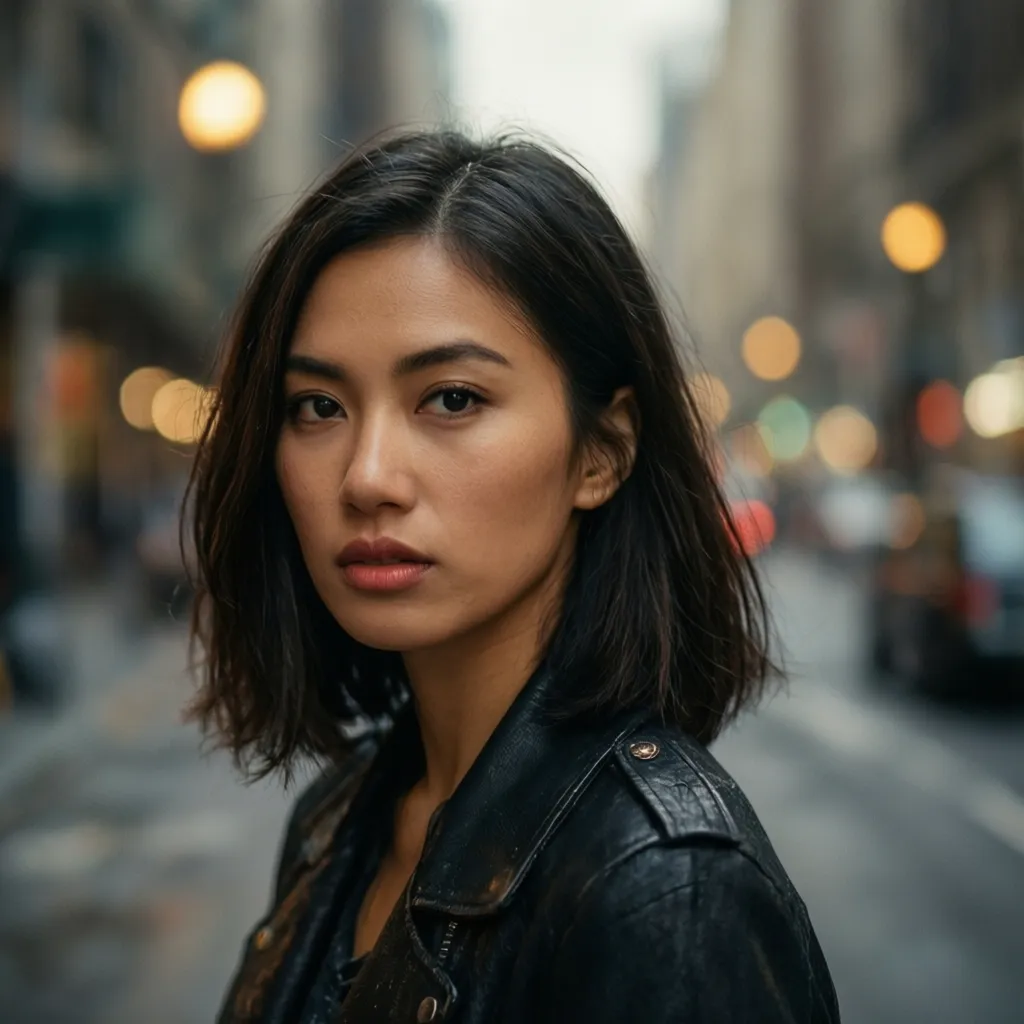 metric's pick
qwen-image-2512-20b · mu 14.2

boogu-image-turbo · mu 7.4
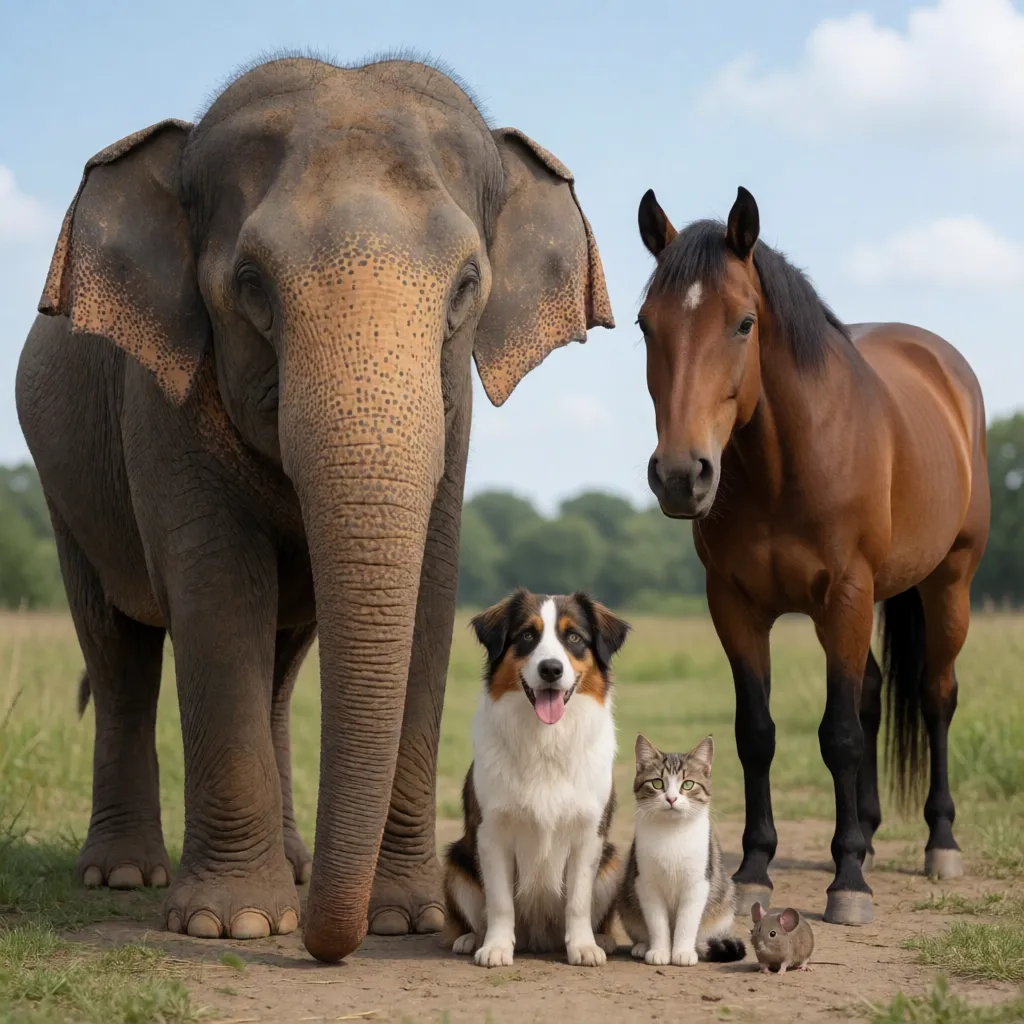 metric's pick
krea-2-turbo · mu 10.4
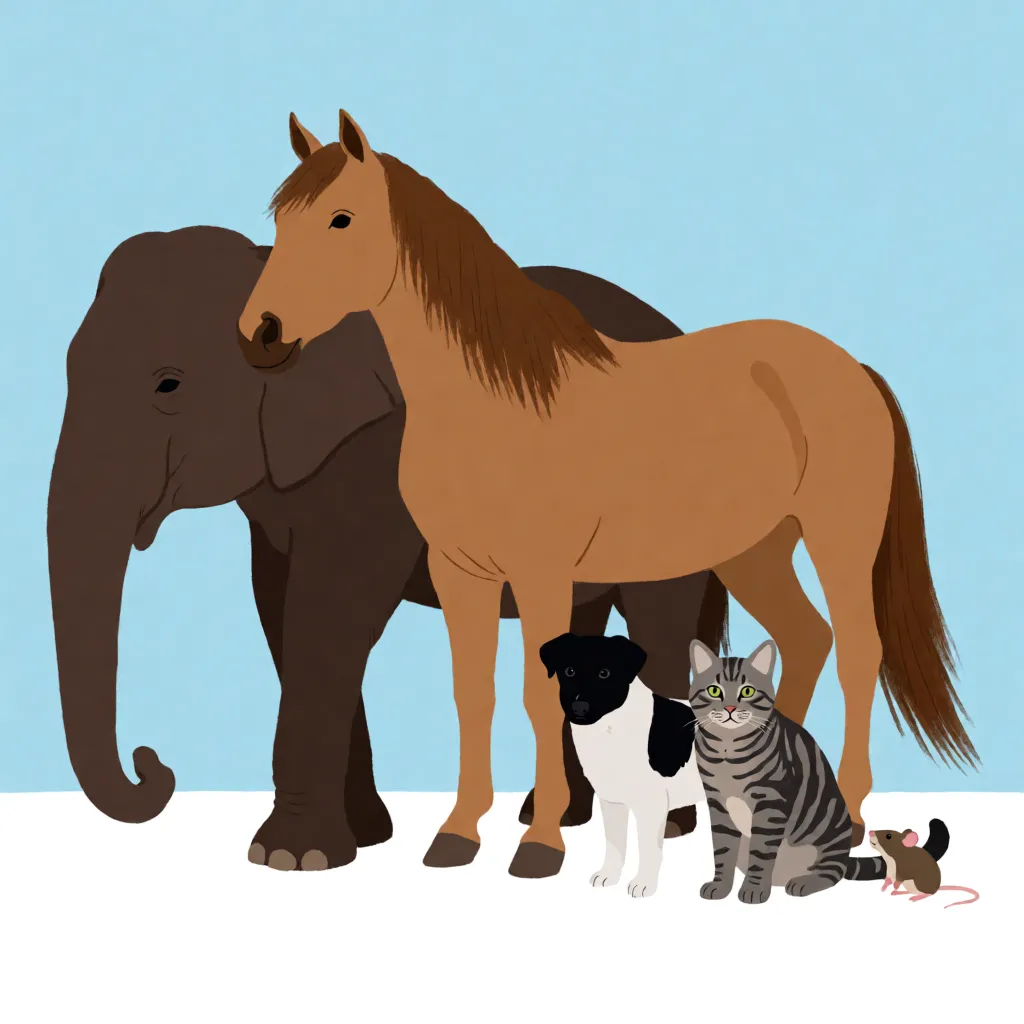
krea v2-medium-turbo · mu 3.9
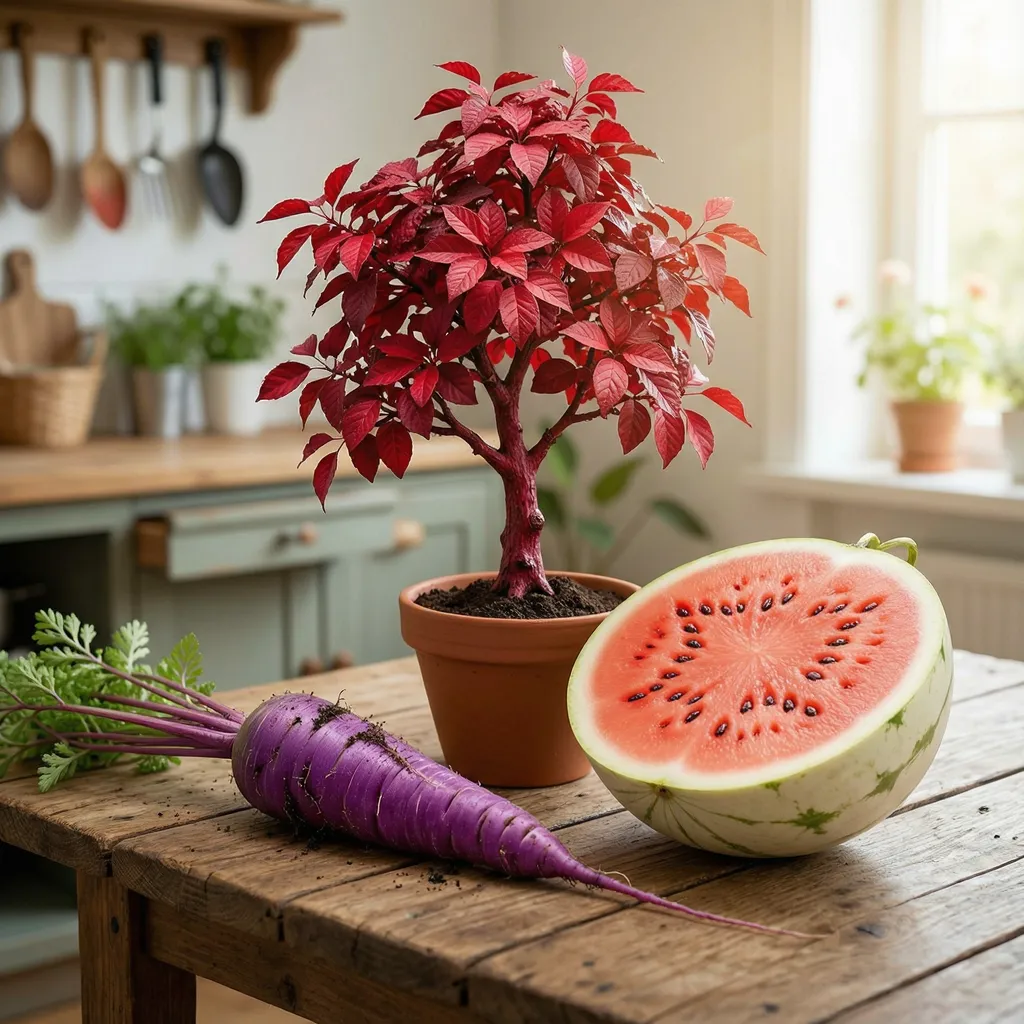 metric's pick
boogu-image-turbo · mu 10.1
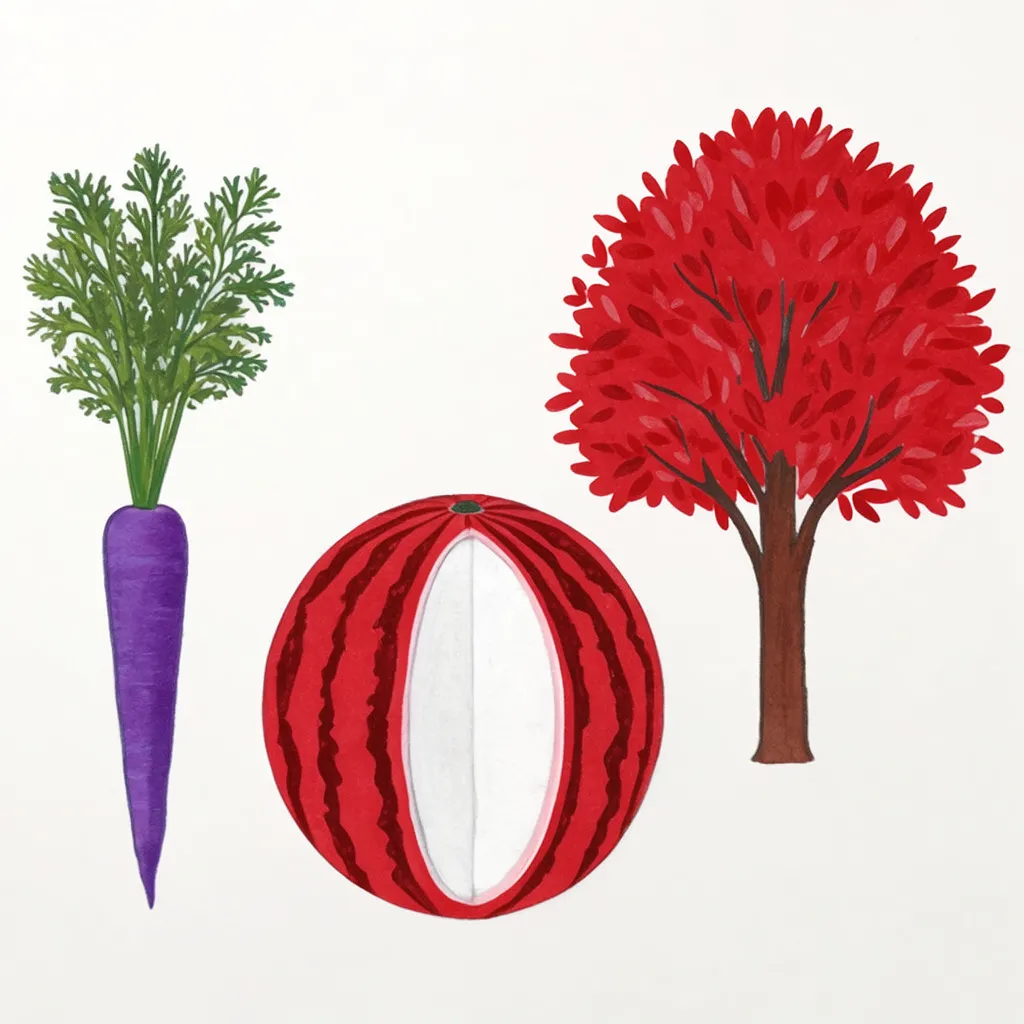
krea v2-large · mu 3.7
A systematic tell: it prefers a photo over the style you asked for
The disagreements aren't random — the metric leans hard toward photorealism. Both prompts below explicitly asked for a non-photographic style. In each, the model that correctly rendered what was asked scored far below one that ignored the brief and produced a glossy photo or painting. The metric rewarded the wrong answer.
 did what was asked
krea v2-medium · mu 5.1
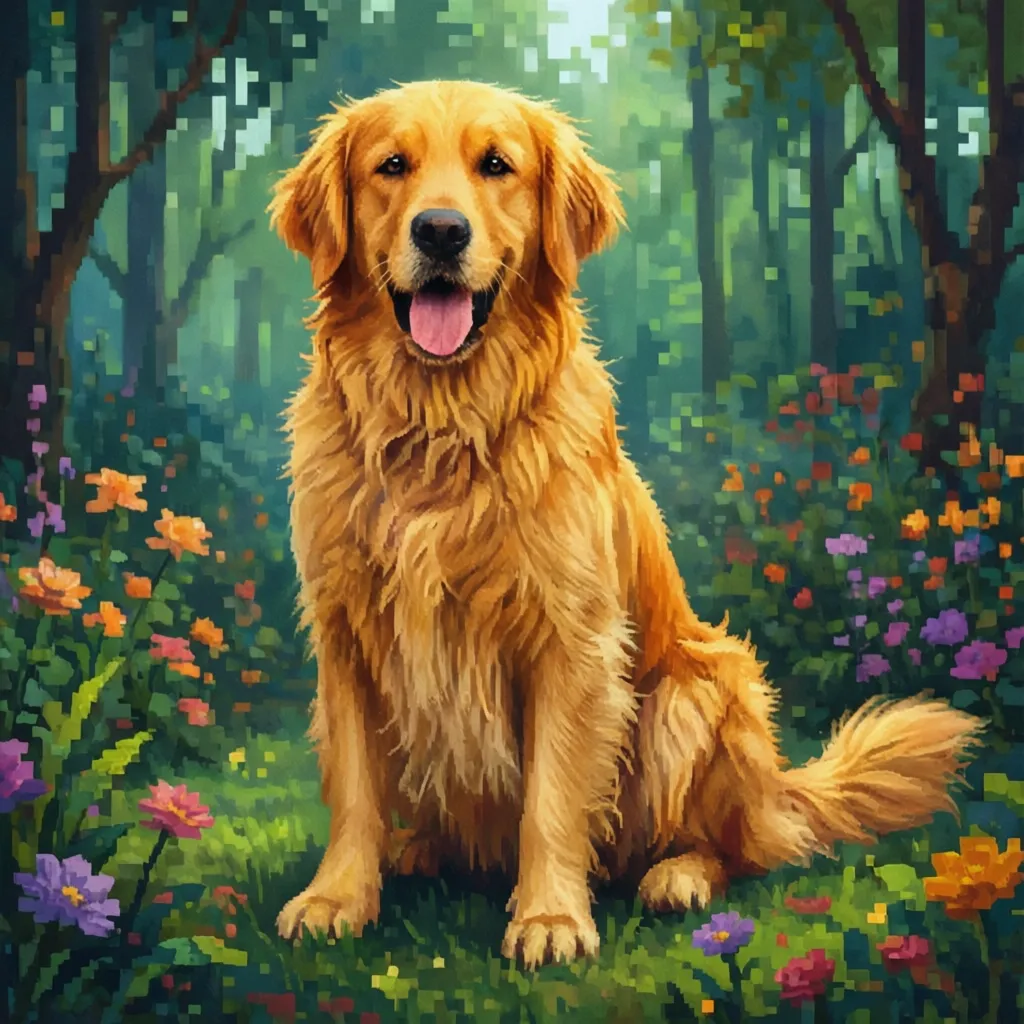 metric's pick
qwen-image-2512-20b · mu 13.9 — ignored the style
 did what was asked
krea-2-raw · mu 7.3
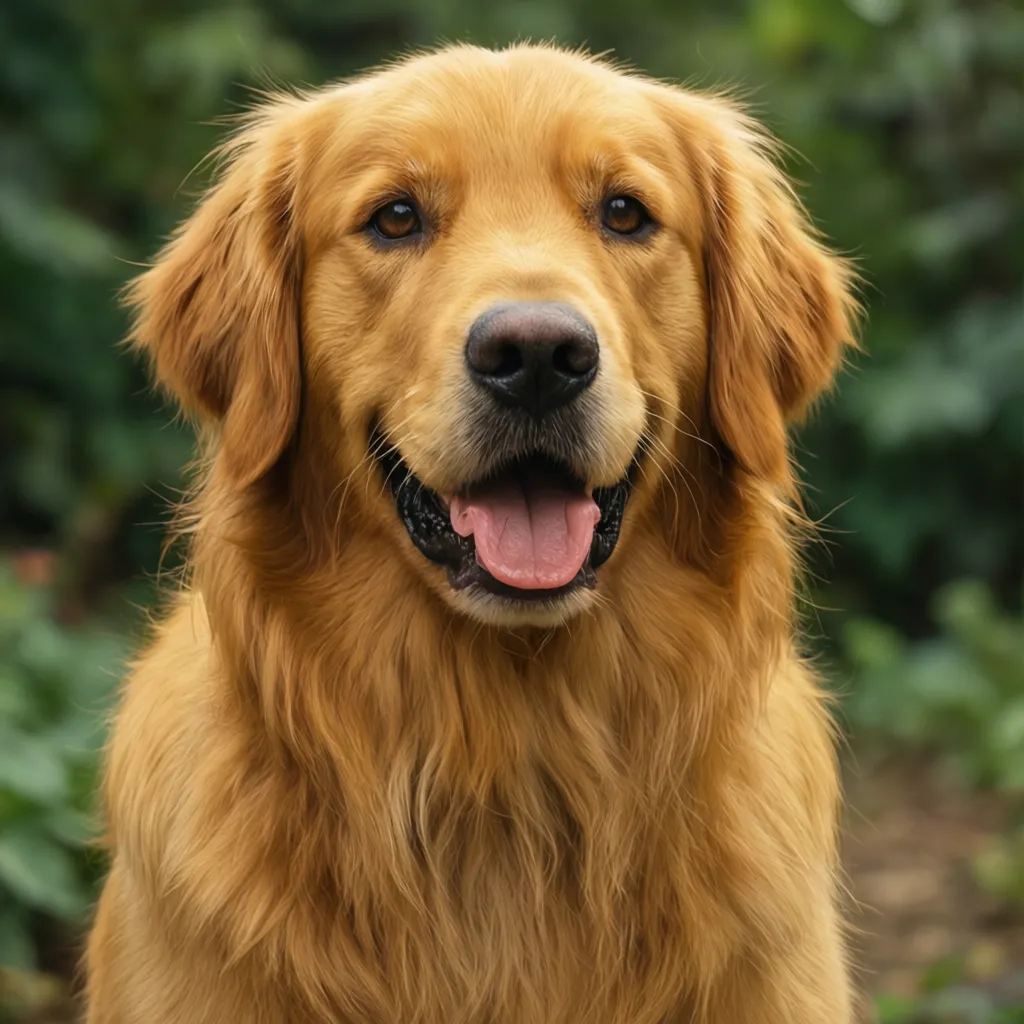 metric's pick
qwen-image-2512-20b · mu 14.2 — ignored the style
It isn't a fluke of these two prompts — a photoreal-leaning model tops most of the style-diversity set. If you're generating stylised art, the aesthetic score is worse than useless here: it actively rewards models for not doing what you asked.
How to use the score
Treat Overall and EPS as a coarse filter — they reliably separate the strong models from the weak — and then look with your own eyes for the job you actually have. Every generated image on ImageBench is published for exactly this reason. Browse them in the gallery and judge for yourself.